





Plastic Flip Top Cap Mould
Your Premier Plastic Flip Top Cap Mould Manufacturer
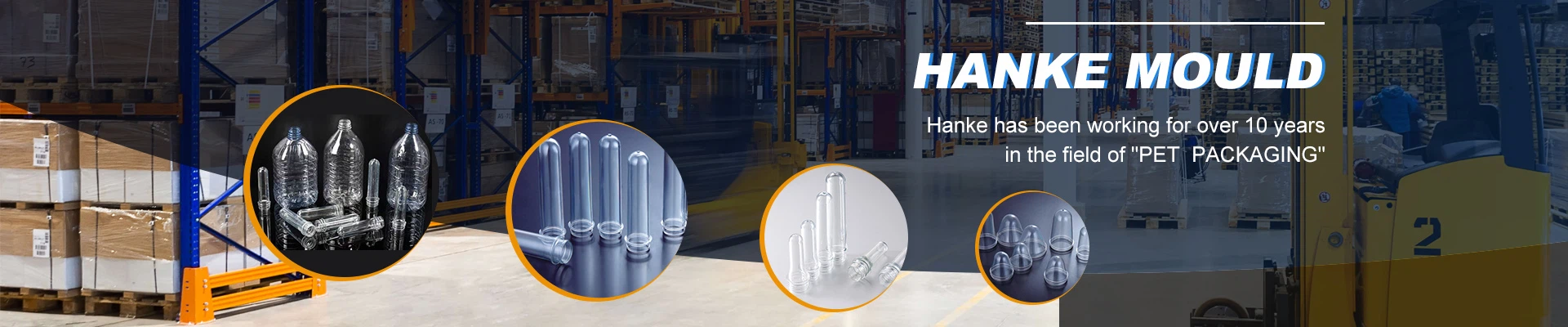
HANKE has been working for over 10 years in the field of "PET PACKAGING", Since its establishment, it has been focusing on the design of PET bottle shapes, preforms, and bottle caps and the development and manufacture of corresponding molds. We have extensive experience in the production of molds and equipment for preform and bottle production for our customers.
Wide Range of Applications
Widely used in beverages, food, edible oil, condiments, candy, cosmetics, detergents, medical supplies, and other fields.
Quality Assurance
There is very strict analysis and quality control from the 3D drawing of the mold to the first tryout of the mold.
Wide Range of Cooperative Countries
We have a full understanding of the export standards, transportation conditions, and requirements of the cooperative countries.
24H Online Service
Our customer service representatives are available 24/7 to assist you with any inquiries, technical issues, or after-sales services.

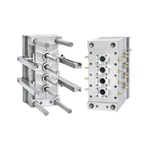
A plastic flip top cap mould is a type of mold used in the manufacturing process of plastic flip top caps. Flip top caps are commonly used in packaging for various products such as bottles, containers, and tubes. The mould is designed to shape and form the plastic material into the desired shape and features of the flip top cap.
Product Parameter
|
Name |
Cap mould |
|
Mould Shaping |
injection mold |
|
Mould material |
NAK80, S136, 2316, 2738, H13, 5CrNiMo, 718H, P20, 40Cr, 60#, 45# etc |
|
Mould base |
45#,S50C,LKM,etc. |
|
Mould Cavity |
Single or multi |
|
Sprue Gate |
Hot runner, Cold runner, Pin-point gate, Submarine gate, etc |
|
Design software |
UG, PROE, CAD, CAXA, ect. |
|
Plastic material |
PP, PC, PS, PE, PU, PVC, ABS, PMMA, ect. |
|
Mould life |
250,000-3,000,000 shots |
|
Delivery time |
35-45 days |
|
Payment Terms |
T/T or L/C |
|
Packaging |
Wooden Cases |
|
Transportation |
By Sea or by air |
|
Export Country |
worldwide |
|
Specification |
Depends on customer's requirements |
|
OEM order |
welcome |
Advantages of Plastic Flip Top Cap Mould
The Blade is Specially Designed
The unscrewing ring knife edge of the plastic bottle cap mold adopts a split structure, which can make the blade not deformed, the positioning is accurate, and the mold is closed without pressure.
High Production Efficiency
The mould allows for high-speed and efficient production of flip top caps, maximizing productivity and reducing manufacturing time.
Consistency and Precision
Plastic flip top cap moulds ensure consistent and precise shaping of the caps, resulting in uniformity in size, shape, and functionality.
Durability and Longevity
The mould is typically made of high-quality materials such as steel or aluminum, ensuring its durability and longevity even with repeated use.
Versatility
Plastic flip top cap moulds can accommodate various designs, sizes, and features, allowing for customization and flexibility in the production process.
Easy Maintenance
The moulds require minimal maintenance and can be easily cleaned and maintained, ensuring their longevity and optimal performance.
Reduced Waste
The moulds allow for efficient use of materials, minimizing waste and reducing production costs.
Compatibility
Plastic flip top cap moulds are compatible with various plastic materials, the most suitable material can be selected based on specific requirements.
Flip top cap mould includes cavities and cores that create the specific design of the cap, including the hinge mechanism that allows the cap to be opened and closed easily. The mould is typically made of high-quality steel or aluminum to withstand the pressures and temperatures of the injection molding process.

Application of Plastic Flip Top Cap Mould
Packaging Industry
Plastic flip top caps are commonly used in the packaging industry for products such as bottles, jars, tubes, and containers. These caps provide convenient and easy access to the contents while ensuring proper sealing and protection.
Personal Care and Cosmetics
Plastic flip top caps are widely used in personal care and cosmetics products such as shampoos, conditioners, lotions, creams, and gels. These caps allow for easy dispensing and controlled usage of the product.
Pharmaceutical Industry
Plastic flip top caps are used in the pharmaceutical industry for packaging medications such as tablets, capsules, and liquids. These caps help ensure the integrity and safety of the medication, preventing contamination and tampering.
Food and Beverage Industry
Plastic flip top caps are employed in the food and beverage industry for packaging products such as sauces, dressings, condiments, and beverages. These caps provide convenience and hygiene while keeping the contents fresh and protected.
Homecare and Cleaning Industry
Plastic flip top caps find application in the homecare and cleaning industry for products such as detergents, disinfectants, sprays, and cleaners.
Industrial and Chemical Industry
Plastic flip top caps are utilized in the industrial and chemical industry for packaging chemicals, solvents, adhesives, and coatings. These caps ensure proper sealing and containment, preventing exposure and spills.
Maintenance of Plastic Flip Top Cap Mould
Regular Cleaning: After every production run, it is crucial to clean the mould thoroughly to remove any residue or contaminants.
Lubrication: Apply a thin layer of lubricant on the moving parts of the mould, such as slides, ejector pins, and hinge mechanisms. This helps reduce friction and wear, ensuring smooth operation.
Inspect for Wear And Damage: Regularly inspect the mould for any signs of wear, damage, or corrosion. Pay close attention to areas that experience high stress, such as the hinge mechanism and cavity cores.
Repair and Maintenance: If there are any worn or damaged parts, they should be repaired or replaced as needed.
Storage: When not in use, the mould should be stored in a clean and dry environment, preferably in a protective case or cover. This helps prevent dust, debris, and moisture from damaging the mould.
Proper Handling: When handling the mould, care should be taken to avoid dropping or mishandling, as this can cause significant damage. It is also important to handle the mould with clean hands to prevent contamination.

FAQ
Q: What are plastic caps made of?
Q: How long does a plastic cap mould last?
Q: Can a plastic cap mould be used for mass production?
Q: How does a plastic cap mould contribute to the overall efficiency of production?
Q: Are there any maintenance requirements for a plastic cap mould?
Q: What is the standard tolerance level for a plastic cap mould?
Q: How does the cooling system in a plastic cap mould work?
The cooling system typically consists of a series of channels, also known as cooling channels or cooling circuits, strategically designed within the mould. These channels are placed near the mould cavity to ensure efficient heat transfer.
Cold water or a cooling fluid is circulated through these channels to absorb the heat from the moulded plastic. The cooling fluid can be provided by an external chiller or a central cooling system. As the fluid flows through the channels, it carries away the heat from the mould, maintaining a controlled temperature.
Q: How does temperature affect the performance of a plastic cap mould?
Q: How does a plastic cap mould affect the quality of the final product?
Q: What industries use plastic cap moulds?
Q: Can a plastic cap mould be reused?
Q: How is a plastic cap mould made?
Q: Are there different types of plastic cap moulds?
Q: Can a plastic cap mould be repaired or modified?
Q: What factors should be considered when designing a plastic cap mould?
Q: Can a plastic cap mould be used with automated machinery?
Q: What is the typical lifespan of a plastic cap mould?
Q: Can a cap mould be used with different injection molding machines?
Q: Can a plastic cap mould be used for different colors and finishes?
For different colors, the plastic resin can be mixed with colorants or pigments before injection molding. This allows the caps to be produced in a variety of colors without needing to change the mould itself. Colorants can be added in different concentrations to achieve the desired color intensity.
In terms of finishes, various techniques can be employed during the injection molding process. For example, the mould can be designed with different surface textures or patterns to create a matte, glossy, or textured finish on the caps.
Q: Can a plastic cap mould be used for prototypes or small-scale production?
For prototypes, a plastic cap mould can be used to produce a limited number of samples to validate the design, functionality, and aesthetics of the cap before moving into full-scale production. This allows for testing and refinement of the design without the need for expensive tooling or large production runs.
Similarly, plastic cap moulds can also be used for small-scale production runs. This is particularly useful when there is a need for a limited quantity of caps or when production volumes do not justify the cost of creating a dedicated production mould.
Hot Tags: plastic flip top cap mould, China plastic flip top cap mould manufacturers, suppliers, factory, Cap Molding, Plastic Bottle Cap Molding, Plastic Flip Top Cap Mould, Plastic Beverage Cap Molding, Plastic Cap Molding, Plastic Cosmetic Cap Mould
Previous
Plastic Bottle Cap MoldingNext
No InformationYou Might Also Like


Send Inquiry