


Blow Molding Machine

Your Leading Blow Molding Machine Supplier
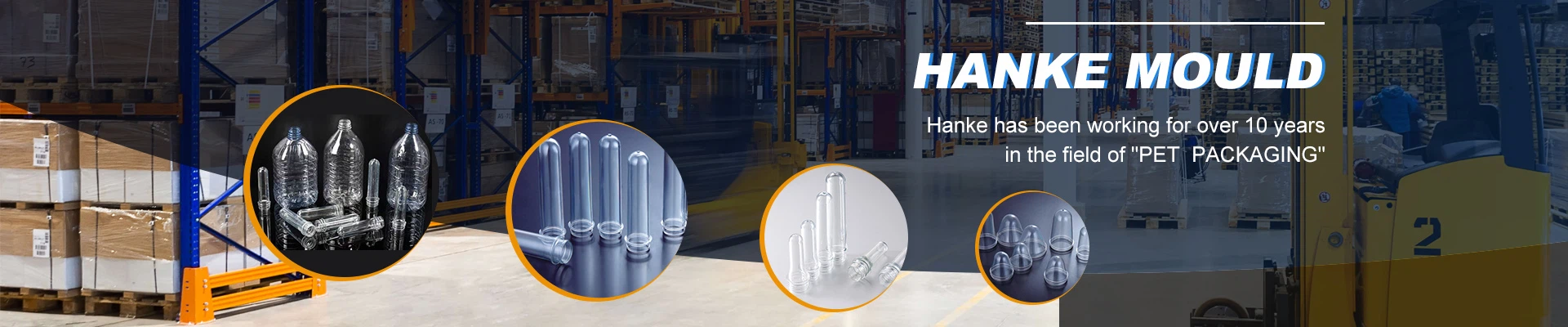
HANKE has been working for over 10 years in the field of "PET PACKAGING", Since its establishment, it has been focusing on the design of PET bottle shapes, preforms, and bottle caps and the development and manufacture of corresponding molds. We have extensive experience in the production of molds and equipment for preform and bottle production for our customers.
Wide Range of Applications
Widely used in beverages, food, edible oil, condiments, candy, cosmetics, detergents, medical supplies, and other fields.
Quality Assurance
There is very strict analysis and quality control from the 3D drawing of the mold to the first tryout of the mold.
Wide Range of Cooperative Countries
We have a full understanding of the export standards, transportation conditions, and requirements of the cooperative countries.
24H Online Service
Our customer service representatives are available 24/7 to assist you with any inquiries, technical issues, or after-sales services.

A blow molding machine is a manufacturing machine used to create hollow plastic products by blowing air into a molten plastic material. This process is known as blow molding and is commonly used to produce bottles, containers, and other plastic products with a hollow shape. The machine consists of a mold or cavity, which is filled with molten plastic, and a blow pin or needle, which injects compressed air into the plastic to stretch and shape it.


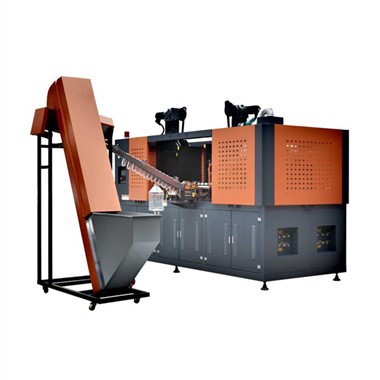
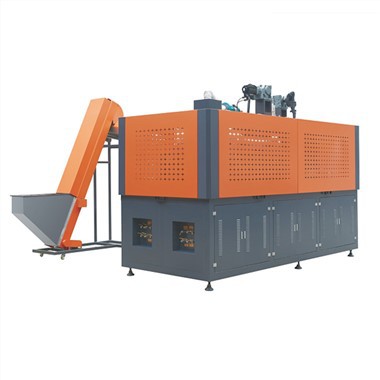
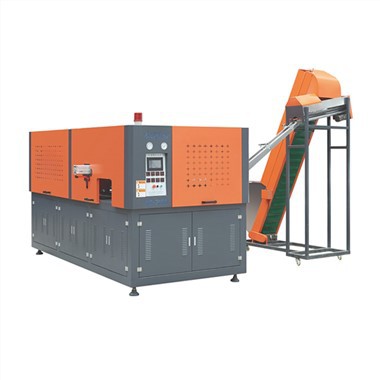
Advantages of Blow Molding Machine
Cost-effective production
Blow molding allows for the efficient production of hollow plastic products with relatively low production costs. The process can produce large quantities of products in a short period, reducing labor and material costs.
Versatile design capabilities
Blow molding machines can create a wide range of shapes and sizes, offering versatility in product design. The process allows for the production of complex geometries, including intricate details designs.
Lightweight yet durable products
Blow molding processes can produce lightweight plastic products without compromising strength and durability. This is particularly beneficial for applications in industries such as automotive, aerospace, and packaging.
Consistent quality and dimensional accuracy
Blow molding machines can ensure consistent product quality and dimensional accuracy, thanks to automated processes and precise control over variables such as temperature, pressure, and cooling.
Efficient production speed
Blow molding machines can achieve high production speeds, enabling you to meet tight deadlines and demands. The continuous or semi-continuous nature of the process allows for rapid production cycles, resulting in increased output.
Material and energy efficiency
Blow molding machines optimize material usage by only using the necessary amount of plastic resin for each product. Additionally, the process typically requires lower energy consumption compared to other molding techniques.
Blow molding is a manufacturing process used to create hollow plastic objects by inflating a heated plastic tube (also known as a parison) inside a mold. The process involves three main steps: parison extrusion, molding, and product ejection. Blow molding machines are designed to automate and streamline these steps, facilitating large-scale production.

Types of Blow Molding Machine
There are several types of blow molding machines, each suited for specific applications:

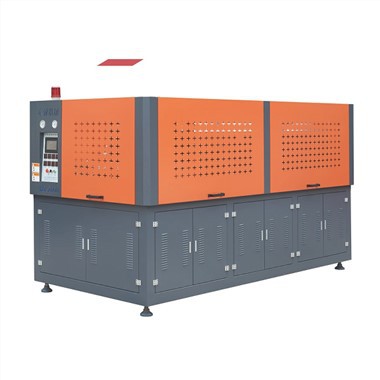
Extrusion Blow Moulding (EBM)
This is the most common type, suitable for producing bottles, containers, and drums. It uses a continuous extrusion process to create parisons.
Injection Blow Moulding (IBM)
This type combines the injection moulding process with blow moulding. A preform is created using injection moulding, which is then transferred to the blow moulding machine for stretching and blowing.

Stretch Blow Moulding (SBM)
SBM is commonly used for manufacturing PET bottles and jars, particularly for beverages and personal care products. It involves stretching the heated preform before blowing it into the final shape.
Material of Blow Molding Machine
High-Density Polyethylene (HDPE)
HDPE is the most commonly blow-molded plastic material.it's used in a vast array of products, including bottles for consumer liquids such as shampoo and motor. It's molder-friendly, translucent easily colored, and chemically inert (FDA-approved and perhaps the safest of all plastics).
Low-Density Polyethylene (LDPE)
Variations of LDPE include linear-low and combinations with ethyl-vinyl acetate LDPE is used in far softer products that require a high level of suress crack resistance or flexibility. Generally, the higher the ethyl-vinyl-acetate content, the softer.
Polypropylene (PP)
It's an extremely popular injection molding resin.PP is similar to HDPE, but slightly stiffer and lower density, which provides some advantages.PP is commonly used in elevated temperature applications, such as dishwasher tubes and medical parts that require autoclave sterilization.
Polyvinyl Chloride (PVC)
Although PVC is the world's 3 plastic. PVC is translucent and comes in rigid and soft forms—the soft resin is typically used in blow molding. Common applications include soft medical parts, bellows, and traffic cones.
Polyethylene Terephthalate (PET)
PET Is a polyester that Is usually injection blow molded Into clear containers. The largest PET blow molding market is for soft drinks and water bottles.
Thermoplastic Elastomers (TPE)
TPEs are used to replace natural rubber In molded parts. The material is opaque and can be colored.TPEs are commonly used in automotive suspension covers and air intake ducts, bellows, and grip surfaces, They mold well after drying and generally reprocess well.
The Blow Molding Process

Plastic Resin Feeding or Charging
The first step in the blow molding process is plastic feeding. This is done by conveying the plastic pellets into the extruder hopper. In other systems, plastic pellets from big bags or bins can be vacuum conveyed directly to the extruder hopper without the need for a separate conveying air system.
Plasticizing or Melting
As the plastic resin enters and goes through the extrusion machine, it is melted by continuous kneading and heating. Electric heating elements or heating bands are wrapped around the extruder barrel to provide heat for melting the polymer.
Parison Extrusion or Preform Injection
This process is the preparation of the parison or preform to be inflated. This is done by extruding the plastic through free extrusion or injection into a preform mold.
Sealing or Clamping
Sealing or clamping involves a split die that captures the preform. The ends of the parison are sealed except for one hole, typically the container opening, where the compressed air will be injected.
Inflation or Blow Molding
This step is where the plastic takes its form. Compressed air is introduced inside the preform. This inflates the preform until it is molded according to the profile of the die.
Cooling and Ejecting
The next step is the cooling process. Typically, as the plastic touches the die, it cools at a predefined rate which stabilizes the dimensions of the product. After cooling, the mold opens and ejects the product.
Trimming
Flashing is generally evident in extrusion blow molding. Most blow molding machines have auto deflashing features as the dies clamp the preform.
Leak Test
This is the typical quality control method used in manufacturing bottles or packaging materials. In this step, either vacuum or compression is generated inside the container. The machine will then check if air enters or escapes the container by monitoring the pressure.
FAQ
Q: How does the molding machine work?
Q: How long does it take to mold a product with a blow molding machine?
Q: Can a blow molding machine produce different shapes and sizes of bottles?
Q: What safety precautions should be taken when operating a blow molding machine?
Q: What is the cycle time of blow molding?
Q: Are blow molding machines environmentally friendly?
Q: What is the lifespan of a blow molding machine?
Q: How do I choose the right blow molding machine for my production needs?
Q: What is the difference between single-stage and two-stage blow molding machines?
Q: Can a blow molding machine produce bottles with different neck sizes?
Q: How sustainable is blow molding?
Q: Can a blow molding machine be used for prototyping purposes?
Q: Is blow moulding efficient?
Q: How do I choose a blow molding machine?
Q: What is the average production cycle time for a blow molding machine?
Q: Can a blow molding machine produce bottles with high clarity and transparency?
Q: Are blow molding machines suitable for large-scale production?
Q: What are the main components of a blow molding machine?
Q: Is it possible to automate the production process with a blow molding machine?
Q: Are blow molding machines suitable for producing containers with tamper-evident features?