
Thin Wall Mold

Your Professional Thin Wall Mold manufacturer!

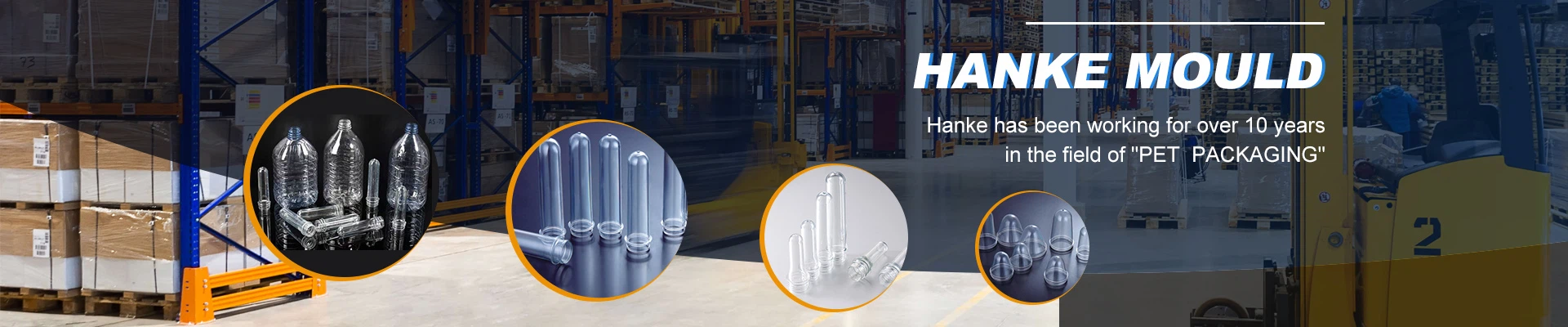
HANKE has been working for over 10 years in the field of "PET PACKAGING", Since its establishment, it has been focusing on the design of PET bottle shapes, preforms, and bottle caps and the development and manufacture of corresponding molds. We have extensive experience in the production of molds and equipment for preform and bottle production for our customers.

Wide Range of Applications

Widely used in beverages, food, edible oil, condiments, candy, cosmetics, detergents, medical supplies, and other fields.

Wide Range of Cooperative Countries

We have a full understanding of the export standards, transportation conditions, and requirements of the cooperative countries.

3f02f3ea25be58bfdefb6bdf8ebb294e2022100913072696400947eae340db8e59dd075915ab9b

Quality Assurance

There is very strict analysis and quality control from the 3D drawing of the mold to the first tryout of the mold.

24H Online Service 

Our customer service representatives are available 24/7 to assist you with any inquiries, technical issues, or after-sales services.


89632b0e9d87cd2a84efdd656bc5ebb26-cavity-rectangular-thin-wall-container-mold22152539286


What Is Thin Wall Mold?

A thin wall mold is a specialized form of conventional injection molding that focuses on mass-producing plastic parts that are thin and light so that material cost savings can be made and cycle times can be as short as possible. Shorter cycle times mean higher productivity and lower costs per part. Careful design, material selection, and process optimization are crucial for successful thin wall molding.


Advantages of Thin Wall Mold
 

Cost-Effective

Thin wall molding allows for the production of lightweight components, which reduces material consumption and lowers production costs. Additionally, thin wall moulding requires less energy and shorter cycle times, resulting in lower operational costs.


Increased Productivity

Thin wall molding enables faster production cycles due to reduced cooling time. This results in higher productivity and a greater number of components produced in a given time frame.


Design Flexibility

Thin wall molding offers design flexibility, allowing for the production of intricate and complex shapes that may not be achievable with traditional moulding techniques. It enables the creation of thin ribs, bosses, and other features that enhance the functionality and aesthetics of the final product.


Enhanced Part Quality

Thin wall molding allows for the production of components with precise details and complex shapes. The process ensures a consistent wall thickness, reducing the risk of defects such as warping or sinking.


Lightweight Components

Thin wall molding produces lightweight components without compromising strength or durability. This is especially beneficial in industries like automotive and aerospace, where weight reduction is crucial for improved fuel efficiency and performance.


Reduced Environmental Impact

Thin wall molding consumes less material, resulting in less waste generation and a reduced environmental footprint. Moreover, the process requires lower energy consumption, contributing to overall sustainability.


Thin Wall Mold: Everything You Need to Know!

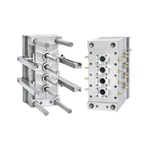
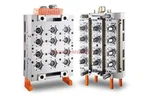
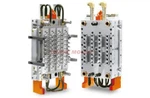
Thin wall molds are designed with high precision and have thin and uniform wall thicknesses to achieve lighter and cheaper parts. The molds are usually made from high-strength materials to withstand the high pressures and stresses during the injection molding process. Additionally, the mold cavity and runner system are carefully designed to allow rapid filling of the molten plastic material.

4 Cavity Round Thin Wall Container Mold


Applications of Thin Wall Mold

Packaging Industry

Thin wall molds are commonly used in the packaging industry to produce thin-walled containers such as food containers, beverage cups, and disposable plates. These molds allow for the production of lightweight yet durable containers that are suitable for storing and transporting various products.

Automotive Industry

Thin wall molds are used in the automotive industry to produce various components such as interior trims, dashboard panels, and door panels. These molds help in achieving precise and intricate designs while reducing the overall weight of the components.

6436b467012f389c1f53abe73a5b139920221009113828355cfd0c85af44c89aa614a2b1ba315a
7837f65241bc799294548896e8ffde82202210091138424e6268b7fd424f74941f5f9524d9ae09

Consumer Goods Industry

Thin wall molds are used in the production of various consumer goods such as kitchenware, household appliances, and toys. These molds enable the production of thin and lightweight products that are cost-effective and aesthetically appealing.

Electronics Industry

Thin wall molds are used in the production of electronic devices such as smartphones, tablets, and laptops. These molds enable the production of thin and lightweight casings that protect the internal components while maintaining a sleek and modern design.


Precautions for use of Thin Wall Mold


Material Selection

Choose a material that can handle the high pressures exerted during injection molding. Typically, high-flow resins such as ABS, PC, and PP are suitable for thin wall molding.


Mold Design

Design the mold with proper venting to allow for efficient air evacuation during injection. This helps prevent air traps and improves part quality. Additionally, incorporate adequate cooling channels to ensure uniform cooling and avoid warpages.


Gate Design

Use a gate design that allows for proper filling and minimizes shear stress on the material. Common gate types used in thin wall molding include edge gates, submarine gates, and fan gates.


Injection Speed And Pressure

Optimize the injection speed and pressure to achieve complete filling of the mold cavity within the shortest possible cycle time. However, excessive pressure can cause flash, so it’s important to find the right balance.


Wall Thickness Uniformity

Maintain consistent wall thickness throughout the part to prevent variations in shrinkage and warpage. Use flow simulation software to analyze the flow behavior and optimize the wall thickness distribution.


Mold Temperature Control

Control the mold temperature accurately to ensure proper cooling and avoid issues like sink marks or warpages. Use external cooling devices if necessary.


Regular Maintenance

Perform routine maintenance on the mold, machine, and auxiliary equipment to ensure they are in good working condition. This includes cleaning, lubrication, and inspection of critical components.


Quality Control

Implement a comprehensive quality control system to monitor and inspect the parts produced using thin wall molding. Perform dimensional checks, visual inspections, and other necessary tests to ensure consistent quality.

Thin Wall Mold Maintenance


Thin wall mold maintenance is essential to ensure the longevity and performance of the mould. Here are some tips for maintaining thin wall molds:


Regular cleaning: Clean the mould regularly to remove any residue or build-up of plastic material. Use a soft brush or compressed air to remove any dirt or debris from the mould surface.


Lubrication: Apply a suitable lubricant to the moving parts of the mould to reduce friction and prevent wear. Make sure to use a lubricant that is compatible with the mould material and does not affect the part quality.


Inspect for wear and damage: Regularly inspect the mould for any signs of wear, such as scratches, dents, or cracks. If any damage is found, repair or replace the affected parts immediately to avoid further damage to the mould or the finished parts.


Check cooling system: Ensure that the cooling channels in the mould are clean and free from any blockages. A proper cooling system is crucial for maintaining consistent temperature control during the moulding process.


Preventive maintenance: Follow a preventive maintenance schedule to perform routine checks and maintenance tasks. This includes checking the ejection system, adjusting the moulding machine parameters, and inspecting the mould for any signs of wear or damage.


Storage: Properly store the mould when it is not in use to prevent damage. Clean the mould thoroughly and apply a rust inhibitor before storing it in a dry and controlled environment.

Contact now


FAQ

Q: What is Thin Wall?

A: Thin wall parts are classed as such based on their flow length to wall thickness(or L/t) ratio. Each plastic material has different flow properties so each family of resins has different maximum L/t ratios. The table below shows maximum L/t ratios for some common materials-figures that approach these high values would be considered thin walled. These values are based on a 2.0mm wall section,maximum L/t ratios reduce as the wall thickness gets thinner.

Q: What is thin wall product molding?

A: Thin wall injection molding is a specialized form of conventional injection molding that focuses on mass-producing plastic parts that are thin and light so that material cost savings can be made and cycle times can be as short as possible.

Q: Why does thin wall molding require high speed and high pressure?

A: Thin wall parts require higher injection pressure because the distance that the material can flow is dependent on the thickness of the part. The material forms a frozen skin on the outside walls of the cavity first and then starts to solidify towards the center.

Q: How thin can injection molded walls be?

A: Minimum Wall Thickness Walls that are too thin can cause filling problems develop high molding stresses and also lead to structural failures and poor insulation characteristics. A minimum wall thickness of 2.0 mm is recommended.

Q: Is high injection pressure needed in thin wall injection molding?

A: Thin Wall Injection Molding Solutions, Thin wall molding requires injection molding machines that can generate high injection speeds, and high injection pressures, are repeatable, and are rigid enough to be reliable for the long term.

Q: What is the difference between low pressure and high-pressure molding?

A: The main difference between low-pressure and high-pressure molding lies in the amount of pressure applied during the molding process. Low-pressure molding: Low-pressure molding, also known as compression molding or LPM, involves applying relatively lower pressure to the material being molded. This process typically uses molds made of flexible materials such as silicone or rubber. The material is placed into the mold cavity, and then the mold is closed, applying a lower pressure to compress the material and force it to take the shape of the mold. It is commonly used for molding thermoplastic materials, such as polypropylene or polyethylene, which have lower melting points. High-pressure molding: In contrast, high-pressure molding involves applying significantly higher pressure to the material being molded. In this process, rigid molds made of materials like metal or steel are used. The material, often thermosetting plastics or metals, is injected into the mold cavity at high pressure. The high pressure ensures that the material fills the mold completely and evenly, resulting in precise and detailed parts. High-pressure molding is widely used in industries like automotive, aerospace, and manufacturing, where high strength and accuracy are required. Overall, low-pressure molding is suitable for materials with lower melting points and simpler shapes, while high-pressure molding is suitable for materials with higher melting points and complex shapes that require precision and strength.

Q: What is the process of thin wall product molding?

A: Thin wall product molding is a specialized injection molding process used to manufacture thin-walled plastic parts with high-speed cycle times. The process involves designing a mold specifically for thin wall molding, selecting a suitable thermoplastic material, injecting the molten plastic into the mold under high pressure, efficiently cooling the part, ejecting it from the mold, and performing any necessary post-processing. Precise control over parameters such as injection speed, temperature, and cooling time is critical to achieving fast and uniform material flow, efficient cooling, and dimensional stability for producing high-quality thin-walled parts.

Q: What materials are commonly used for thin wall molding?

A: While P20 steel is often used in conventional injection molding applications, it may not be strong enough to withstand the high pressures, wear, and erosion associated with injection molding parts with thin walls. Instead, you'll need a more robust material, such as 718, H-13, D-2, or another tough steel.

Q: Can a thin wall mold be used for large-scale production?

A: Yes, thin wall molds are suitable for large-scale production due to their faster cycle times, high cavitation, compatibility with automation, material savings, and ability to maintain consistency and quality throughout the production run. They enable the production of thin-walled parts efficiently and can be designed with multiple cavities to increase output per cycle. Additionally, the use of less material reduces costs and makes it more viable for large-scale production. However, proper consideration of cooling systems, mold construction, and maintenance is necessary for continuous and efficient operation.

Q: Can thin wall molding be used for complex shapes?

A: Yes, thin wall molding can be used for complex shapes. The process of thin wall molding involves injecting molten plastic into a mold cavity with thin walls to form the desired shape. The mold is designed to have intricate details and complex geometries to produce parts with intricate shapes. Advanced mold design techniques, such as using multiple slides, cores, and inserts, can allow for the creation of complex features like undercuts, threads, and textured surfaces. Mold designers can also incorporate features like ribs or gussets to enhance the structural integrity of the thin-walled parts.

Q: What are the key factors that affect the cycle time in thin wall molding?

A: Several key factors affect the cycle time in thin wall molding, including material selection, mold design, wall thickness, injection speed and pressure, cooling system, part geometry and complexity, and machine capabilities. Material flow properties, mold design efficiency, optimal wall thickness, appropriate injection parameters, effective cooling, simplified part designs, and high-performance machines all contribute to reducing cycle time while maintaining part quality.

Q: Can a thin wall mold be used for multi-cavity production?

A: Yes, a thin wall mold can be used for multi-cavity production. However, certain considerations need to be taken into account. The mold design must accommodate multiple cavities while maintaining the desired thin wall thickness. Injection parameters, such as speed and pressure, should be appropriately set to ensure consistent filling of all cavities. The cooling system needs to be designed to provide uniform cooling across all cavities, and proper part ejection mechanisms should be incorporated to facilitate the simultaneous removal of multiple parts.

Q: What are the typical wall thicknesses in thin wall molding?

A: The typical wall thicknesses in thin wall molding can vary depending on the material being used and the specific application requirements. However, in general, thin wall molding involves producing parts with wall thicknesses that are considerably thinner than the overall size of the part. Typically, thin wall molding involves wall thicknesses ranging from 0.5 mm to 2 mm (0.02 inches to 0.08 inches) or even thinner. In some cases, wall thicknesses as low as 0.3 mm (0.012 inches) can be achieved.

Q: Can inserts be used in thin wall molding?

A: Yes, inserts can be used in thin wall molding. Inserts are commonly used in injection molding processes to incorporate additional features or components into the molded part. In thin wall molding, inserts can be used to reinforce certain areas of the thin walls or to add threaded inserts for assembly purposes.

Q: Are there any specific considerations for ejection in thin wall moulding?

A: In thin wall molding, specific considerations for ejection include the design and placement of ejector pins to ensure proper ejection without causing damage, the use of additional ejection mechanisms such as stripper plates or air ejection systems, the consideration of part design elements such as draft angles and geometry to facilitate smooth ejection, the implementation of efficient cooling systems to achieve shorter cycle times and easier ejection, and the use of appropriate mold release agents to reduce friction. By addressing these factors, successful ejection of thin-walled parts can be achieved.

Q: Can thin wall mold be used for food packaging applications?

A: Yes, thin wall mold can be used for food packaging applications. It offers advantages such as weight reduction, faster cycle times, design flexibility, barrier properties, and cost-effectiveness.

Q: Is it possible to overmould with a thin wall mold?

A: Designing a thin wall mold for overmoulding can be challenging due to limited space, but it is possible with careful consideration. Material compatibility and a well-designed mould are key factors. The materials used should have good adhesion, and the mould should allow for proper flow and distribution of both materials. Optimizing moulding process parameters is also important to achieve proper bonding and avoid defects.

Q: How does the design of the part affect the mouldability in thin wall moulding?

A: The design of the part can significantly affect the mouldability in thin wall moulding. Thin wall moulding involves creating parts with thin and intricate geometries, which can pose challenges during the moulding process.

Q: What materials are typically used in thin wall molding?

A: High-density polyethylene (HDPE), polypropylene (PP), polystyrene (PS), acrylonitrile butadiene styrene (ABS), and polyvinyl chloride (PVC) are commonly used materials in thin wall molding. HDPE offers excellent strength-to-density ratio and chemical resistance, while PP provides good chemical resistance and flexibility. PS is known for its transparency and electrical insulation properties, while ABS combines strength, rigidity, and toughness. PVC is versatile, durable, and cost-effective with good chemical resistance and electrical insulation properties. The choice of material depends on the desired properties and application requirements.

Q: What are the typical surface finishes achievable with thin wall molding?

A: Thin wall molding can achieve a variety of surface finishes, including smooth, textured, matte, metallic, and custom finishes. Smooth finishes are achieved through polishing or buffing, while textured finishes can be created using textured molds or surface treatments like etching or sandblasting. Matte finishes have a low sheen and can be achieved with additives or coatings. Metallic finishes can be created using metallic-colored resins or coatings. Custom finishes such as high-gloss, wood, or stone textures, or special effects like pearlescent or fluorescent finishes can also be achieved. The specific surface finishes depend on the material, mold design, and molding process used.


We're professional thin wall mold manufacturers and suppliers in China, specialized in providing high quality customized products. We warmly welcome you to wholesale high-grade thin wall mold for sale here from our factory. For price consultation, contact us. Blow Moulding, 2 Cavity Plastic Bottle Blow Molding, 12 Cavity Pet Preform Mould

whatsapp

Phone

E-mail

Inquiry