


Blow Moulding
Your Professional Blow Moulding manufacturer
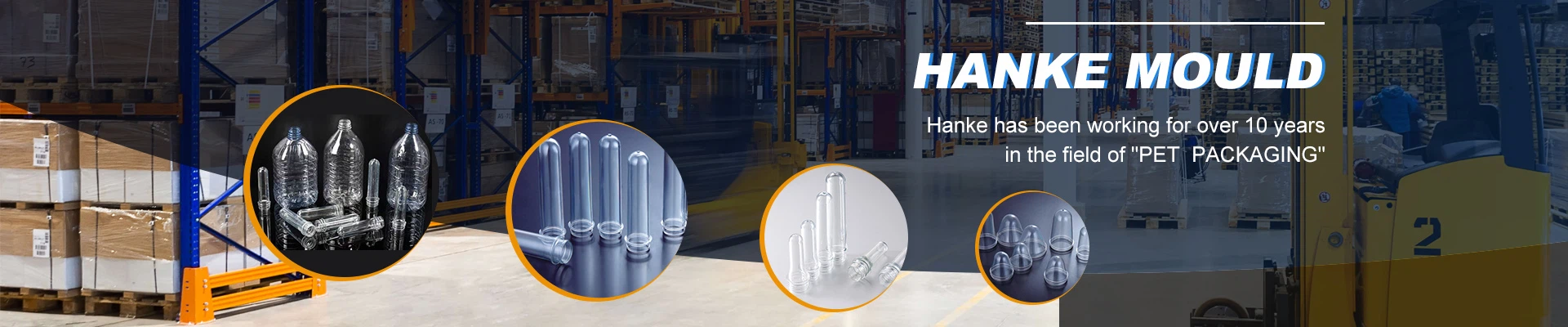
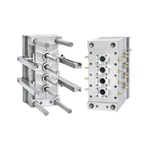
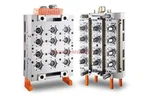
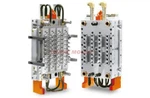
HANKE has been working for over 10 years in the field of "PET PACKAGING", Since its establishment, it has been focusing on the design of PET bottle shapes, preforms, and bottle caps and the development and manufacture of corresponding molds. We have extensive experience in the production of molds and equipment for preform and bottle production for our customers.
Wide Range of Applications
Widely used in beverages, food, edible oil, condiments, candy, cosmetics, detergents, medical supplies, and other fields.
Wide Range of Cooperative Countries
We have a full understanding of the export standards, transportation conditions, and requirements of the cooperative countries.

Quality Assurance
There is very strict analysis and quality control from the 3D drawing of the mold to the first tryout of the mold.
24H Online Service
Our customer service representatives are available 24/7 to assist you with any inquiries, technical issues, or after-sales services.
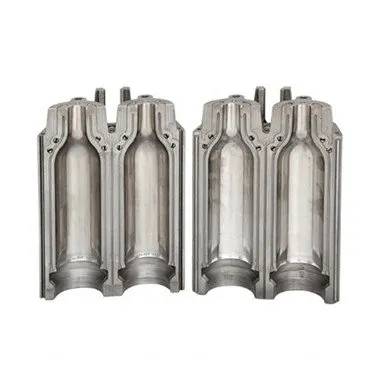
Blow moulding is a manufacturing process used to produce hollow plastic parts. It involves melting plastic resin and then injecting it into a mold, where it is shaped by blowing compressed air into the molten plastic. The air pressure expands the plastic and conforms it to the shape of the mold, creating a hollow object with a desired design.



Advantages of Blow Moulding
It Can Produce a Variety of Products
Most plastic containers on the market today that hold some form of liquid have gone through this process. The commonness of blow molding has allowed engineers to try and create a variety of applications and designs, which resulted in multiple interesting uses.
Blow Molding is Relatively Inexpensive
Cost is a big factor in any manufacturing, especially a large-scale, industrial plastic manufacturing job. Blow molding is typically quite inexpensive compared to other fabrication methods.
It Allows For Multiple Methods of Production
Extrusion blow molding works similarly to traditional glass blowing, where materials are blown through a long tube to work on the end, which can create products, such as light bulbs. As for injection blow molding, it is employed to produce receptacles in huge quantities.
It Promotes a Higher Level of Productivity
This technology has always been moving forward to become universally used in plastic production. It has allowed for a significant increase in production capabilities, and the ability to produce more products in a short time.
Various Material Options
Blow molding also provides a wide range of resins and colors to choose from high-density and low-density polyethylene (HDPE and LDPE) to polypropylene (PP) to engineering resins such as K-Resin, PETG, and Polycarbonate.
Blow Molding is Fast
Blow molding is also a relatively fast manufacturing solution. Professional grade injection or extrusion blow molding machinery is capable of producing huge quantities of finished plastic products and can run for a virtually indefinite amount of time.

The blow moulding process begins with softening plastic by heating a preform or parison. The parison is a tube-like piece of plastic with a hole in one end through which compressed air can enter.
The plastic workpiece is then clamped into a mold and air is blown into it. The air pressure inflates the plastic which conforms to the mold. Once the plastic has cooled and hardened the mold opens and the part is ejected. Water channels within the mold assist in cooling.
Types of Blow Moulding Processes
Injection Blow Moulding
In injection blow molding, a blow or core rod is used throughout the process. First, a parison is injected into a split mold cavity around the rod. The parison that is formed looks similar to a test tube. The core rod transfers the parison to the blow mold machine where forced air creates the final shape. The rod then transfers and extrudes the finished product from the machine.
Extrusion Blow Moulding
Extrusion blow molding can be continuous or intermittent. In continuous extrusion blow molding, a parison will be constantly fed into the mold and each form will be cut off with a blade as it forms. Intermittent extrusion blow molding expels each new plastic from the metal mold when it is cooled and the parison is fed into the mold only after the preceding parison is expelled.
Injection Stretch Blow Moulding
Injection stretch blow molding combines the injection molding and blow molding processes. The plastic is first molded into a solid preform, to create a threaded bottle neck. Once the preform cools it is fed into a stretch blow mold machine. The preform is then reheated using an infrared heater and blown into a plastic bottle with forced compressed air.
How To Cooperate With Us
Initial Contact: Begin by reaching out to our company through phone, email, or our website. Provide us with information about your specific blow moulding needs, including the type of product, quantity, and any specific requirements.
Detailed Discussion: We will have a detailed discussion with you to understand your expectations, specifications, and any customization needs. This step ensures that both parties are aligned on all aspects of the project.
Proposal: Based on the information gathered, we will prepare a comprehensive proposal that outlines the project scope, pricing, production timeline, and payment terms. We will also provide any necessary technical documentation or samples for your review.
Agreement and Contract: If the proposal meets your requirements, we will proceed with finalizing the agreement and contract. This document will detail the terms and conditions of the cooperation, including responsibilities, confidentiality, and intellectual property rights.
Production and Quality Control: Once the contract is signed, our experienced engineers and technicians will commence the production process according to the agreed-upon specifications. Throughout the production cycle, we maintain rigorous quality control measures to ensure the final product meets your standards.
Communication and Feedback: We value open communication throughout the cooperation process. We will provide regular updates on the progress of your project and promptly address any concerns or questions you may have. Your feedback is highly appreciated, and we will make the necessary adjustments to ensure your satisfaction.
Packaging and Shipment: Upon completion of production, we will carefully package your blow moulded products to ensure they arrive in optimal condition. We have experience in arranging efficient and reliable shipping methods to deliver the goods to your designated location.
After-sales Support: Our commitment to customer satisfaction extends beyond the delivery of the products. We offer post-sales support and assistance for any operational or technical inquiries you may have.
FAQ
Q: What is the process of blow moulding?
Q: Why is blow moulding used?
Q: What are the 4 stages of blow molding?
Q: What materials are used in blow molding?
Q: What is the difference between blow molding and rotational molding?
Q: What gas is used in blow molding?
Q: What is the difference between blow moulding and injection?
Q: Why is HDPE used for blow moulding?
Q: Is blow moulding extrusion?
Q: Can PVC be blow molded?
Q: Why stretch blow molding?
Q: Is blow molding thermoforming?
Q: What is compression blow molding?
Q: What is the blow ratio for blow molding?
Q: What is the difference between extrusion blow molding and stretch blow molding?
Q: What is the principle of stretch blow moulding?
Q: What is two-stage stretch blow molding also known as?
Q: Why is blow moulding suitable for mass production?
Q: How sustainable is blow Moulding?
Q: Is blow moulding Labour-intensive?